
Updated
A beginner meditation practice can be as simple as briefly noticing an ordinary sensation and returning attention when it wanders. You do not need to empty your mind, sit in a difficult pose or have a spiritual experience. The aim of this introduction is a manageable experiment with attention.
What meditation means here
Meditation includes many practices and traditions. This guide uses a basic attention exercise: noticing the support of a chair, an ordinary breath or a sound without trying to force a particular result. It is not a clinical treatment program or a method for proving psychic ability.
The National Center for Complementary and Integrative Health reviews the evidence and safety of meditation. Some structured approaches may help with stress or particular symptoms, but study quality and results vary. Benefits reported for a supervised program cannot automatically be promised for every brief exercise.
A two-minute starting practice
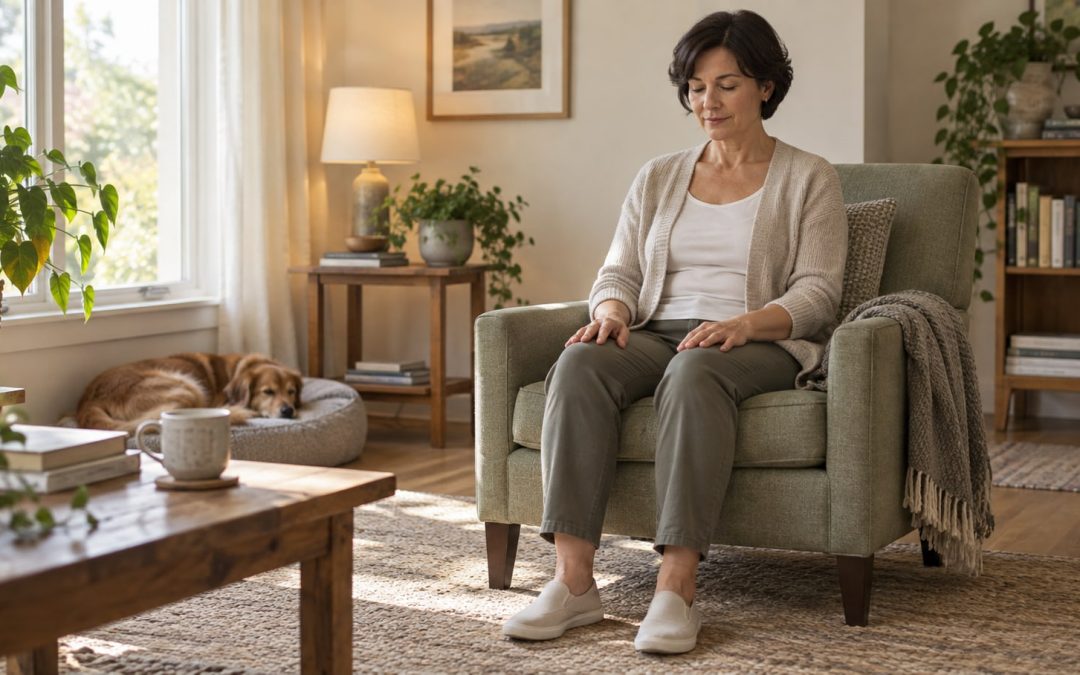
- Get comfortable. Sit in a supported position that suits your body. You can keep your eyes open. Choose a place where pausing is safe, away from driving or tasks needing attention.
- Choose one ordinary focus. Notice your feet resting, the chair supporting you or the sound around you. If you choose your breath, let it stay natural; you do not need deep breaths or breath-holding.
- Allow thoughts to occur. When you notice a thought, briefly acknowledge it and return to the chosen focus. Wandering attention is something to notice, not a failure to punish.
- Finish deliberately. Look around, move comfortably and decide whether to return to your activity. Two minutes is a suggested starting point, not a target you must complete.
Adjust the practice instead of pushing through
If focusing inward feels unpleasant, try an external sound or looking at an ordinary object. If the practice increases anxiety, distress or a sense of disconnection, stop. Meditation is not always comfortable or helpful, and more time is not automatically better.
NCCIH notes that negative experiences can occur and that research has not settled every safety question. If symptoms concern you, talk with a qualified health professional. Do not replace prescribed treatment or delay care because someone says meditation will resolve the problem.
What about intuition, visions or energy?
You may choose to understand a practice through your own spiritual beliefs. That does not make a mental image proof of a message from a spirit, or make a feeling reliable information about another person. No particular sensation is required, and this guide does not promise to develop psychic gifts.
For a separate symbolic exercise, our Get Grounded oracle card guide explains the card’s creator, reflective theme and limits. A card can suggest a question; it cannot assess your mental health or decide which treatment you need.
Choose what makes the practice sustainable
After trying it, note whether the length, setting and focus suited you. You can repeat a short practice, change the approach or choose another quiet activity. There is no need to build toward hours of sitting or buy equipment.
If you want instruction, ask about the teacher’s training, what the sessions involve and how they respond when someone becomes distressed. A useful introduction should leave you free to adapt, ask questions and stop.
Conceptual scene; not a photograph of a historical event or a historical document.